Diabetic Eye Care
Diabetes affects the whole body. Studying the retina at the back of the eye gives a clue to damage in the rest of the body also.
The retina is the light-sensitive layer at the back of your eye — essentially, the film in the camera. Sustained high blood sugar damages the tiny blood vessels that nourish it. At first there are no symptoms. By the time vision changes, the damage is already significant.
One annual retinal check-up for every diabetic patient keeps the condition treatable.
What is Diabetic Retinopathy?
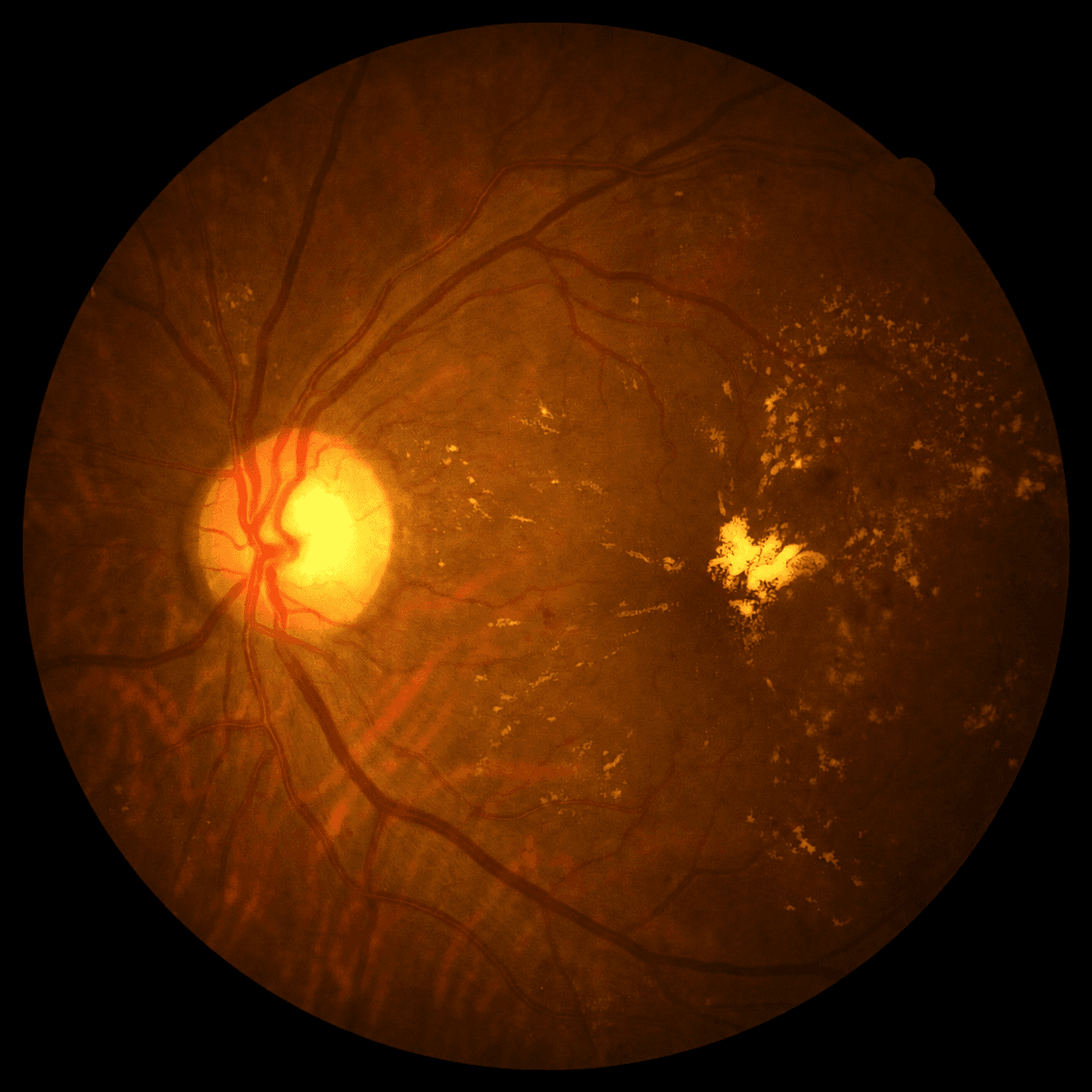
When blood sugar levels remain elevated over time, the retinal blood vessels weaken, leak, and abnormal new vessels grow. This is diabetic retinopathy — the leading cause of vision impairment in working-age adults worldwide.
There are two stages:
Stages
Non-Proliferative (NPDR)
Proliferative (PDR)
How We Treat It
Laser Photocoagulation — Targets and seals leaking blood vessels. Prevents further deterioration.
Anti-VEGF Injections — Intravitreal injections that block the signal causing abnormal vessel growth. Administered under sterile conditions, same-day procedure.
Vitrectomy — For advanced cases involving bleeding into the vitreous or retinal detachment.
What Patients Need to Know
- Bring your latest blood sugar report when you visit. Uncontrolled blood sugar affects spectacle prescription accuracy.
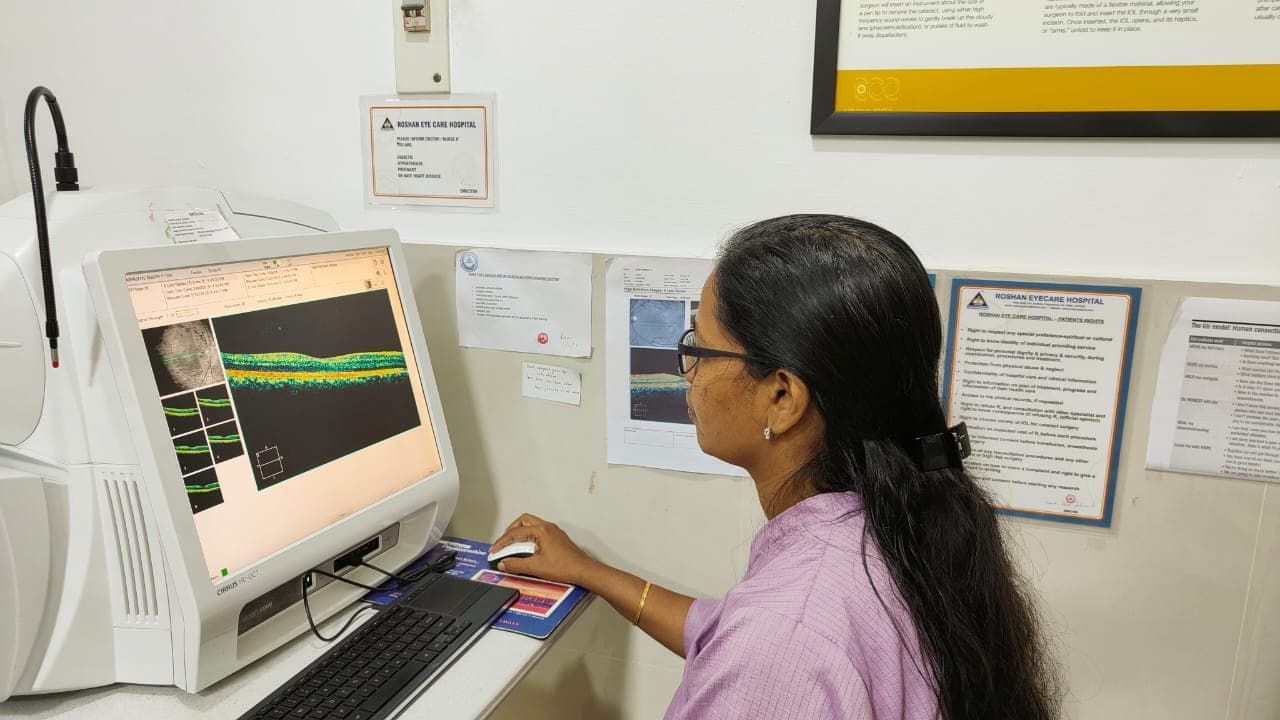
- Even if your vision seems fine, an annual dilated retinal exam is essential for every diabetic patient.
- Hypertension also contributes to retinal damage.
Ready to take the next step? Call us — we will help you find the right appointment.
Book a Retinal Check-up